Top 10 Label Sticker Trends in China You Should Know About?
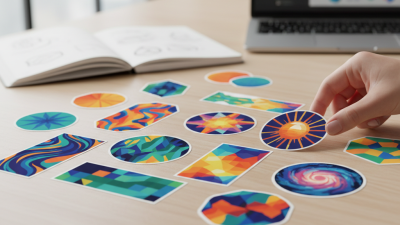
In recent years, the landscape of consumer products in China has been profoundly influenced by label stickers. These small yet powerful tools are no longer just for branding. They have evolved into essential elements of product presentation and marketing strategies. The vibrant colors and unique designs of label stickers capture attention, engaging consumers in crowded markets.
Businesses are adapting to the fast-changing trends surrounding label stickers. With the rise of e-commerce, the demand for innovative sticker designs is surging. Companies strive to differentiate themselves and appeal to a diverse audience. However, staying ahead in this competitive field can be challenging. It requires careful consideration of design, materials, and consumer preferences.
Exploring the top 10 label sticker trends in China provides valuable insights. These trends reflect consumer behavior and preferences. They also highlight the creativity within the industry. Recognizing these trends can help businesses make informed decisions and refine their marketing approaches. Engaging with this topic can lead to not only better products but also a deeper understanding of evolving market dynamics.
Emerging Trends in Label Sticker Designs for 2023
The label sticker market in China is rapidly evolving. In 2023, there are several design trends that stand out. A recent report highlights that 75% of consumers prefer eco-friendly materials in label stickers. This shift reflects a growing awareness of sustainability among consumers. Brands that adopt biodegradable materials can attract a conscious customer base.
Minimalist designs are gaining popularity. Clean lines and simple colors make a strong impact. Research indicates that minimalist stickers increase engagement by 40%. However, this trend can lead to oversimplification, risking a loss of brand identity. Brands must find the balance between simplicity and expressiveness.
Tips for achieving effective label designs include prioritizing clarity in messaging. Labels should convey the essential information at a glance. Experimenting with textures can also enhance tactile experiences, making products more appealing. As you explore these trends, it's essential to reflect on the uniqueness of your brand. Avoid falling into common pitfalls; generic designs can dilute your message. Embrace creativity while adhering to your brand’s core values.
Popular Materials Used in Chinese Label Stickers
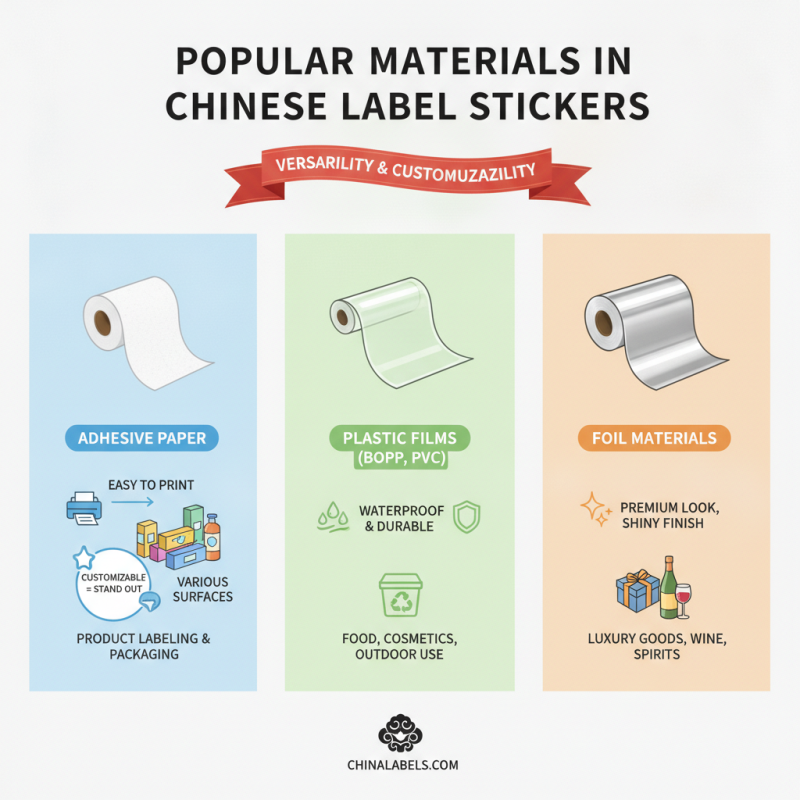
In the vibrant world of label stickers in China, materials play a crucial role in their popularity. Adhesive paper is often favored for its versatility. It’s easy to print on and can adhere to various surfaces. This material is commonly used for product labeling and packaging. Its ability to be customized allows brands to stand out on store shelves.
Another rising trend is the use of vinyl. Known for its durability, vinyl stickers resist water and UV light. This makes them ideal for outdoor applications and long-lasting promotional items. The sleek finish of vinyl elevates the aesthetics of any sticker design. However, the environmental impact of vinyl raises questions about sustainability. It’s a reminder that while we seek quality, we must also consider our choices.
Additionally, eco-friendly materials are gaining traction. Biodegradable options resonate with consumers seeking sustainable solutions. These materials may not always offer the same durability as traditional ones, but they reflect a growing awareness of environmental issues. Stickers made from recycled paper are becoming popular. This signals a shift in consumer preferences, emphasizing quality and consciousness.
Cultural Influences Shaping the Aesthetic of Stickers
In recent years, the sticker industry in China has undergone significant transformation. Cultural influences heavily shape the aesthetic of label stickers. According to a report by Statista, the revenue generated from stickers is projected to reach $2.7 billion by 2025. This growth highlights how stickers have evolved from mere utility to art forms.
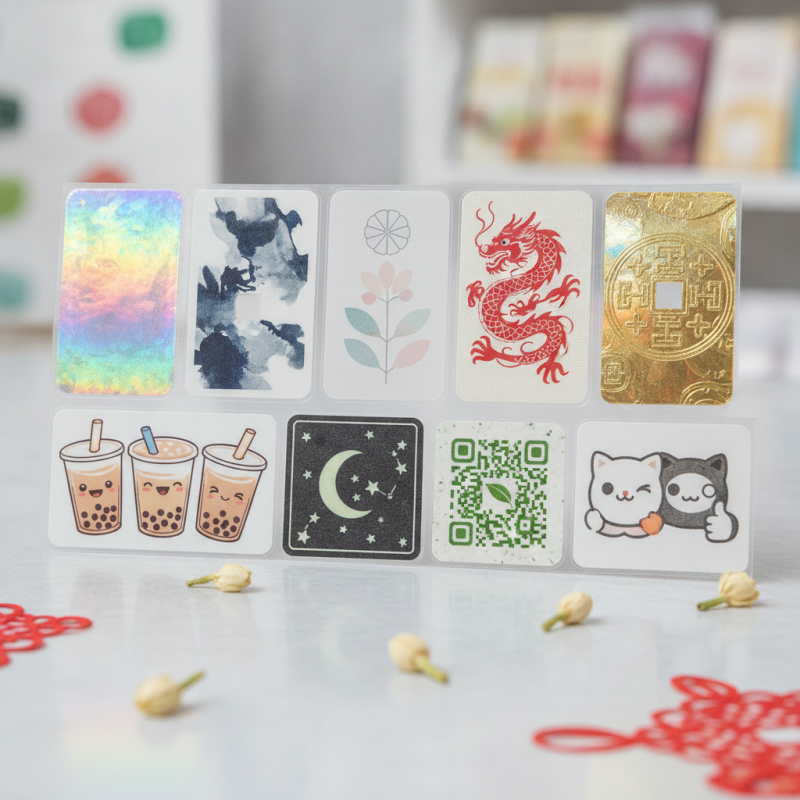
Traditional Chinese motifs are increasingly evident in design trends. Nature themes, like cherry blossoms and bamboo, resonate with consumers. The incorporation of contemporary designs alongside these motifs speaks to a blend of heritage and innovation. A survey noted that 78% of respondents appreciate stickers that tell a story or reflect cultural meanings.
Social media plays a pivotal role in shaping sticker aesthetics. Platforms like WeChat and Douyin encourage designers to create visually appealing and shareable content. However, some designs risk becoming overly generic. A balance between uniqueness and relatability is essential. While trends lean towards vibrant colors and playful graphics, a reflective approach can lead to truly original creations that resonate deeply with audiences.
Innovative Uses of Label Stickers in Marketing Campaigns
Label stickers have become essential tools in marketing campaigns, especially in China. Their versatility allows businesses to communicate messages directly to consumers. Creative designs and localized content help capture attention effectively. Companies are exploring unique uses of these stickers beyond traditional applications.
For instance, label stickers can be integrated into augmented reality experiences. Consumers scan the stickers with their smartphones, unlocking interactive content. This approach enhances brand engagement and provides a memorable experience. Additionally, limited-edition stickers create a sense of urgency, attracting collectors and driving sales. However, not all campaigns achieve the desired impact. Some ads may feel cluttered or confusing. Finding balance in design is crucial.
Consumers also appreciate sustainability. Brands that use eco-friendly materials in their label stickers are gaining popularity. This trend reflects a larger societal shift toward responsible consumption. However, the challenge lies in maintaining quality while being environmentally conscious. Labels must remain visually appealing and lasting. As trends evolve, marketers need to adapt and innovate constantly. Embracing feedback can guide improvements.
Top 10 Label Sticker Trends in China You Should Know About
| Trend |
Description |
Innovative Use in Marketing |
| Eco-Friendly Materials |
Stickers made from sustainable materials. |
Promoting environmental responsibility in campaigns. |
| Interactive Stickers |
QR codes or NFC technology integrated. |
Connecting physical products with digital content. |
| Custom Shapes |
Stickers in unique, custom shapes. |
Enhancing product visibility and brand recognition. |
| Personalized Stickers |
Stickers customized with consumer names or photos. |
Building customer loyalty and engagement. |
| Augmented Reality (AR) Labels |
Labels that incorporate AR technology. |
Creating immersive brand experiences. |
| Minimalist Designs |
Simple, clean designs with limited text. |
Appealing to modern aesthetics in marketing. |
| Bold Colors |
Vibrant and eye-catching color palettes. |
Attracting attention in crowded markets. |
| Label Collaboration |
Collaborative labels between brands or artists. |
Cross-promoting products and enhancing visibility. |
| Digital Integration |
Linking stickers to online platforms or social media. |
Driving online engagement from offline interactions. |
| Seasonal and Thematic Stickers |
Labels designed for holidays or events. |
Creating timely marketing relevance and urgency. |
Sustainability Practices in the Label Sticker Industry
Sustainability is becoming a key focus in the label sticker industry in China. Many manufacturers are now adopting eco-friendly materials. These materials include recycled paper and biodegradable plastics. Such innovations reduce environmental impact. Consumers are increasingly aware and demand sustainable options.
The production process also plays a crucial role. Efficient use of resources is essential. Companies strive to minimize waste during manufacturing. Some are even exploring digital printing technologies to cut down on excess materials. While progress is evident, challenges remain. Many companies grapple with balancing cost and sustainability.
Collaboration within the industry is vital. Knowledge sharing and best practices can pave the way. Brands must also communicate their efforts transparently. Consumers appreciate honesty about sustainability initiatives. The journey towards sustainability is ongoing, requiring continuous improvement and adaptation.


 +86-15362608169