

 +86-15362608169


Company News


Revolutionizing IoT RFID Labels as Digital ID Cards
2026-03-23
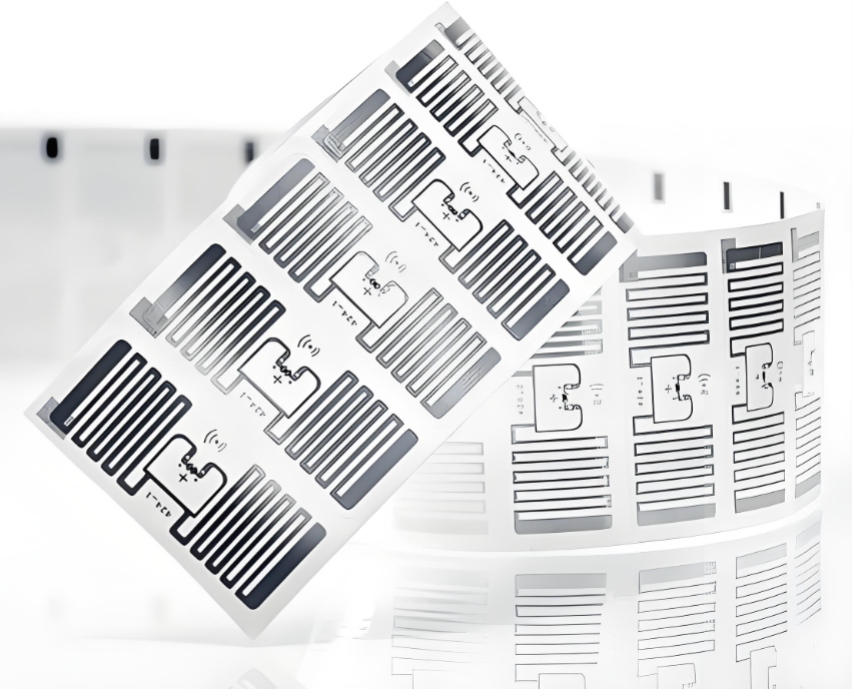
RFID is an electronic carrier that enables non-contact automatic identification through radio signals. It is the core technology of the perception layer in the Internet of Things and provides key support for asset digitization. It has features such as non-contact batch identification and strong environmental adaptability (such as stable operation in humid and high-temperature environments).
Basic Concept
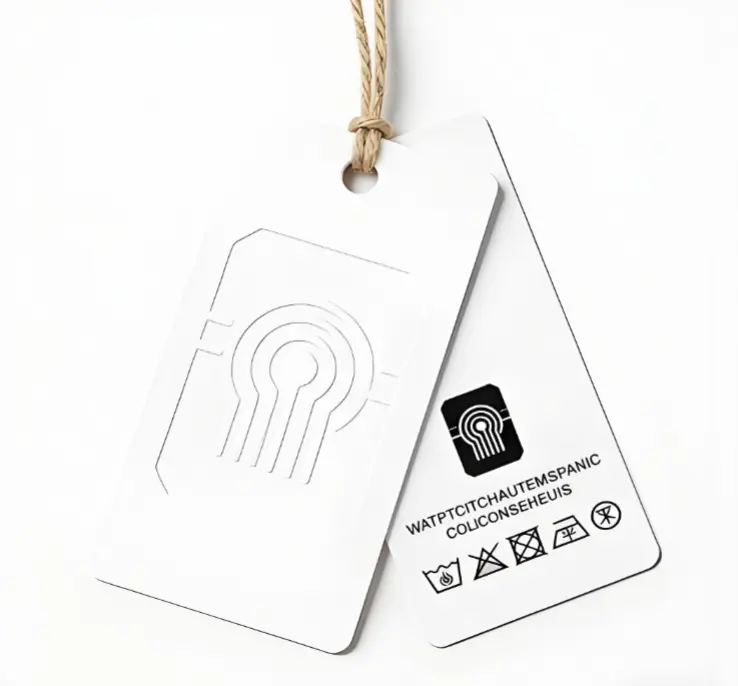
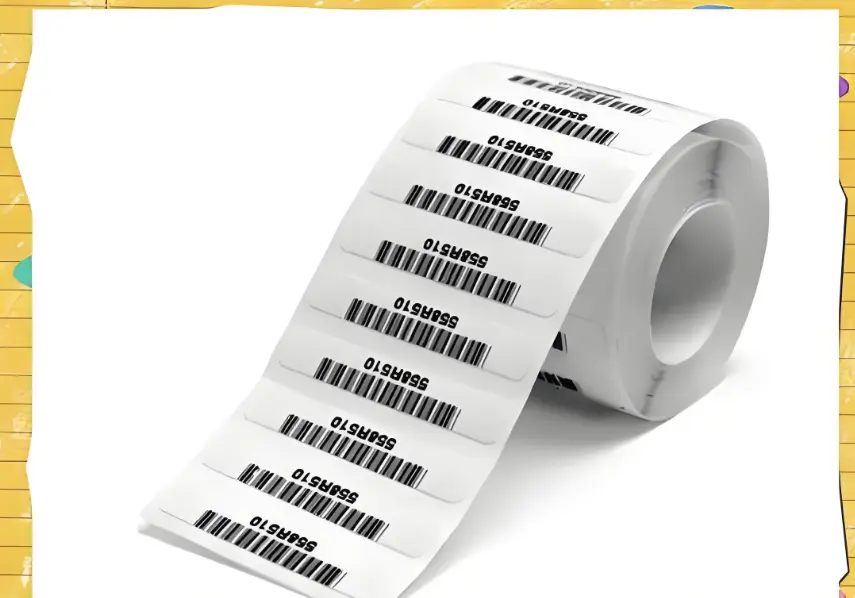
RFID tags are similar to "electronic identity cards". They store and transmit data through radio signals, enabling automatic identification and asset tracking. They support non-contact communication and possess features such as water resistance, high temperature resistance, and corrosion resistance, making them suitable for complex scenarios.
Technical Characteristics
Band Classification
Low Frequency (125-134 kHz): Penetrates liquids/metal, suitable for animal ear tags/access control.
High Frequency (13.56 MHz): Reads up to 1-3 meters, supports multiple tags, used for book/pharmaceutical cold chain.
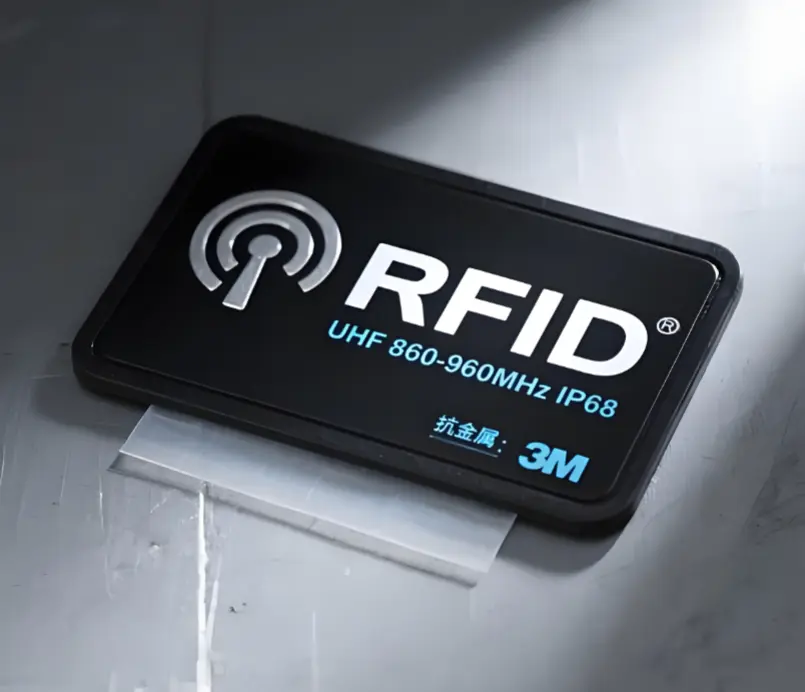
Ultra High Frequency (860-960 MHz): Reads up to 3-10 meters, capable of identifying high-speed moving objects, dominant in logistics/production lines.
Microwave (2.45-5.8 GHz): Reads over 10 meters, used for container tracking.
Power Supply Method
Passive tags: Powered by the reader, low cost and long lifespan (10+ years), short reading distance.
Active tags: Own batteries, long reading distance (100 meters), requires regular battery replacement.
Semi-active tags: Balances the distance and power consumption.
Environmental Adaptability
waterproof (IP67/IP68), resistant to high temperatures (normal range 20-85℃, can withstand up to 135℃), corrosion-resistant, resistant to metals, data capacity ranging from several bytes to several KB, meeting various requirements.
Application Scenarios
Logistics warehousing Intelligent manufacturing Smart healthcare Retail management Archive management
Future Trends
Technology integration, greenification, penetration into niche markets, intelligent upgrading, label integration, humidity sensors.