

 +86-15362608169


Product News




Linerless Labels: Opportunities and Challenges for Businesses
2026-08-18
Key Market Opportunities of Linerless Labels
1. Zero Liner Waste for Regulatory Compliance
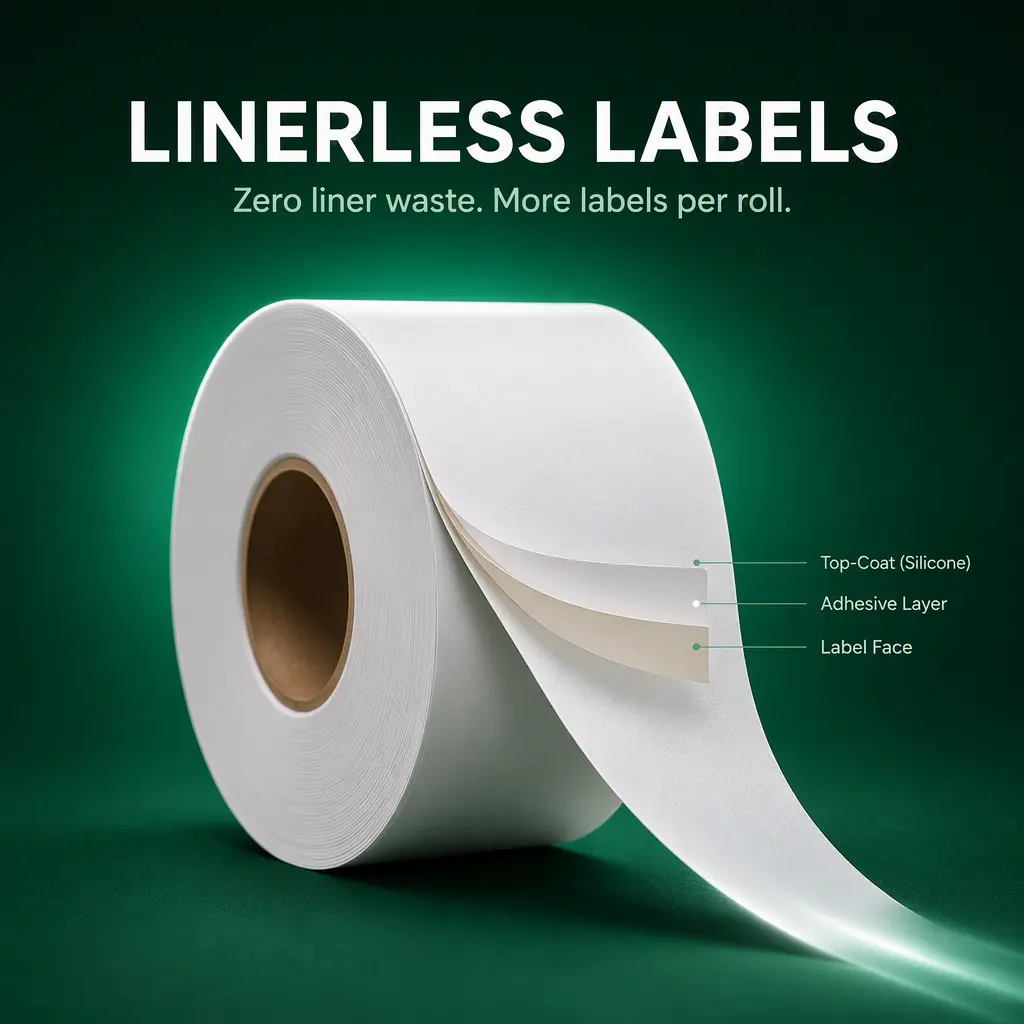
Traditional release liners are non-recyclable and a major source of packaging contamination. Linerless labels completely eliminate liner waste, helping brands comply with PPWR, green packaging policies and corporate carbon reduction targets. This has become a critical tender requirement for European and North American buyers.
2. Higher Operational Efficiency & Cost Savings
Linerless rolls contain 40–50% more labels than standard rolls of the same size. Fewer roll changes reduce printer downtime, labor costs and waste disposal expenses. They also improve workplace safety by removing slippery liner scraps on production floors.
3. Wide Expanding Application Scenarios
Originally used for retail weighing labels, linerless labeling now covers e-commerce shipping labels, cold-chain logistics, QSR food packaging, and variable-data digital printing. It also supports lightweight Smart Label integration for traceability and anti-counterfeiting purposes.
Main Technical Challenges for Linerless Labels
1. Tricky Adhesive Balance
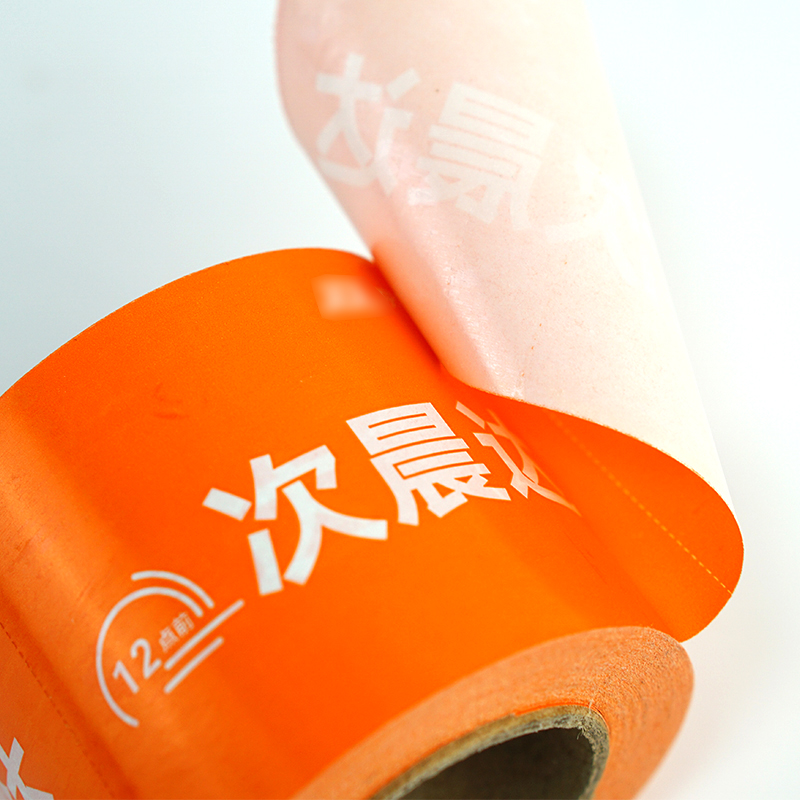
Without a protective liner, adhesives directly contact the top silicone coating during rolling. Excess tack causes glue oozing, printhead residue and jams. Low tack leads to poor adhesion on cartons, plastic surfaces and cold-chain packages. Temperature and humidity changes further affect adhesive stability.
2. Strict Equipment Compatibility Requirements
Standard label printers and automatic applicators cannot run linerless labels stably. Linerless devices require special non-stick platens, dedicated cutting systems and calibrated sensors. Small and mid-sized converters face upgrade costs and maintenance challenges.
3. Limited Printing & Converting Flexibility
Most linerless products are direct-thermal grades, suitable for short-term logistics and retail use. Durable thermal-transfer linerless materials and premium decorative labeling solutions are still limited. Complex die-cut shapes and high-end branding effects are harder to achieve without liner support.
4. Sensitive Storage & Handling
Linerless rolls are prone to blocking and telescoping under high temperature, pressure or long storage time. Strict warehouse and transportation standards are required to avoid feeding failure and label damage.

Best Practices for Stable Linerless Label Adoption
- Test materials on your actual printers and application environments instead of relying on lab data
- Select matched adhesive grades based on temperature, surface material and usage duration
- Optimize storage conditions and standardize equipment cleaning cycles
- Cooperate with experienced suppliers for stable linerless converting quality
Industry Outlook
Linerless labeling will maintain steady growth as global sustainability regulations tighten. Future innovation will focus on low-residue adhesives, durable thermal-transfer linerless stocks, compostable materials and smart label integration.
While linerless labels cannot fully replace traditional labels for premium and industrial harsh scenarios, they have become a must-have sustainable solution for modern logistics, retail and Eco-friendly packaging branding.
Final Takeaways
Linerless labels offer outstanding sustainability value and operational efficiency, but their adhesive sensitivity and equipment requirements cannot be ignored. Brands and converters who master stable linerless production and application will gain strong competitiveness in the global green packaging market.
Need reliable linerless label solutions and free samples for your business?
Contact our team today.