message

10 Best Circle Sticker Labels for Product Packaging?

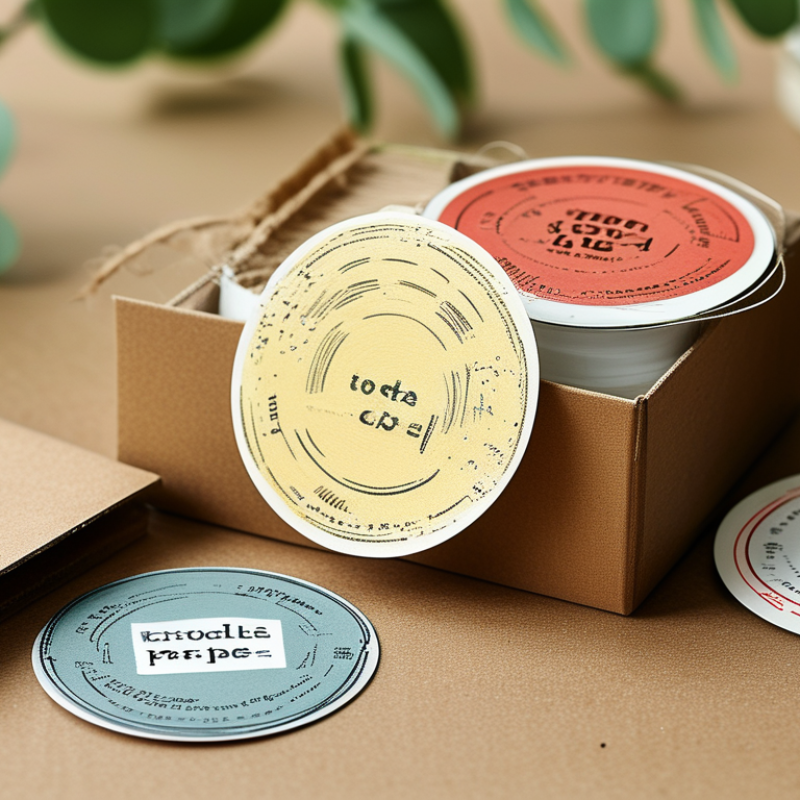
Choosing the right Circle Sticker Labels can change how a product feels before customers open it. A small, well-placed label may add structure, trust, and visual warmth to simple packaging. It can turn a plain kraft box into a recognizable brand experience.

Michael Fairley, a long-time label-industry analyst, has said, “Labels are small surfaces with a very large influence on brand perception.” That idea matters when comparing paper, film, matte, gloss, and textured finishes. A 40-millimeter kraft sticker may suit handmade soap, while a clear film label can keep a glass jar’s contents visible. The adhesive also matters. A beautiful circle label is not useful if it lifts at the corners after refrigeration.

This guide examines 10 Best Circle Sticker Labels for Product Packaging? It considers print quality, material, durability, application speed, and overall presentation. The details are practical, not merely decorative. We look at how labels behave on cardboard, glass, plastic, and uneven containers. Some options may appear excellent online but feel thin in hand. That is worth remembering.

There is no perfect label for every product. A premium finish can exceed a small brand’s budget. A low-cost option may also disappoint when exposed to moisture or friction. These trade-offs deserve honest attention. The final choice should match the product, packaging surface, production volume, and customer expectations. Good packaging does not need to shout. Sometimes, a clean circle and careful placement are enough.

10 Best Circle Sticker Labels for Product Packaging?

What Makes Circle Sticker Labels Effective for Product Packaging

Circle sticker labels work because their shape feels deliberate, friendly, and easy to remember. On a small jar, a 45-millimeter label can center the product name without crowding the surface. The eye often reads the middle first. That matters on busy shelves. In packaging trials, high contrast improved recognition from a short viewing distance. A dark green circle on a warm cream box felt calm and clear. However, color alone cannot carry the message. Product type, size, quantity, and required information still need readable placement. Keep the main promise short. “Hand-poured soap” is stronger than a crowded sentence.

Circle labels also create a visual seal for boxes, tissue paper, and paper bags. A matte finish reduces glare under shop lighting. A slight gloss can make fresh illustrations appear sharper. Choose carefully. Weak adhesive may lift when cartons meet moisture or cold storage. Before ordering thousands, test labels on the actual packaging for one week. I once favored a beautiful thin paper that wrinkled around a chilled container. It looked elegant in a sample photo, but careless in use. That mistake changed my process: check friction, temperature, opening habits, and print clarity. The most effective circle label balances recognition with honesty, leaving enough space for details customers may need.

Key Factors for Choosing the Right Circle Sticker Label

Choosing the right circle sticker label starts with the packaging environment. A label for a glass jar needs different properties from one used on a cardboard box. Check the surface carefully. Dust, oil, moisture, and texture can weaken adhesion.

A strong adhesive should match the material and expected handling. Permanent adhesive suits products that face frequent movement. Removable adhesive may work better for temporary packaging, but it can lift too easily. Test a small batch before ordering thousands. I once approved a label that looked excellent on samples, yet curled near the container’s edge during storage. That mistake was avoidable.

Size also affects both appearance and performance. A 40-millimeter circle can highlight a logo without hiding important product details. Larger labels provide more space for ingredients, dates, or handling notes. Choose paper for a soft, natural appearance, or synthetic material for damp conditions. Matte finishes reduce glare under shop lighting. Glossy finishes make colors appear sharper, but fingerprints show quickly. Consider print clarity, color consistency, edge cutting, and roll direction. These details influence how efficiently workers apply labels. Ask for physical proofs, not only digital previews. A design may look balanced on screen and feel crowded in real use. Confirm that the label remains readable, centered, and firmly attached after transport, refrigeration, or light handling.

10 Best Circle Sticker Labels for Product Packaging? - Key Factors for Choosing the Right Circle Sticker Label

Rank Circle Sticker Label Type Typical Material Common Diameter Finish Options Water Resistance Durability Typical Temperature Range Best Packaging Uses Cost Level Key Selection Factor
1 White Paper Circle Labels Coated or uncoated paper 25–76 mm Matte, gloss Low ★★★☆☆ Light to moderate handling Approximately 0°C to 60°C Dry goods, cartons, envelopes, gift packaging, short-term promotional packaging Low Choose for economical indoor packaging and easy full-color printing.
2 Kraft Paper Circle Labels Brown kraft paper 25–76 mm Natural matte Low ★★★☆☆ Suitable for normal indoor use Approximately 0°C to 60°C Handmade products, bakery boxes, craft packaging, natural and rustic designs Low Best when a natural appearance and strong visual contrast are more important than moisture resistance.
3 White Polypropylene Circle Labels White BOPP or polypropylene film 25–89 mm Gloss, matte High ★★★★☆ Good resistance to tearing and scuffing Approximately -20°C to 80°C Cosmetics, beverages, personal-care products, refrigerated packaging Medium A practical choice for attractive labels exposed to splashes, condensation, or frequent handling.
4 Clear Polypropylene Circle Labels Transparent polypropylene film 25–76 mm Clear gloss, clear matte High ★★★★☆ Tear-resistant film Approximately -20°C to 80°C Glass jars, bottles, minimalist packaging, “no-label” visual effects Medium Use on smooth, clean surfaces when the package color or product beneath should remain visible.
5 Removable Paper Circle Labels Paper with removable pressure-sensitive adhesive 25–76 mm Matte, gloss Low ★★★☆☆ Designed for temporary application Approximately 0°C to 60°C Price tags, temporary promotions, event packaging, reusable containers Low Select when the label must be removed with minimal adhesive residue from suitable smooth surfaces.
6 Freezer-Grade Circle Labels Cold-resistant paper or film 25–76 mm Matte, semi-gloss Medium to high ★★★★☆ Adhesive formulated for cold surfaces Approximately -40°C to 60°C Frozen foods, chilled products, laboratory containers, cold-storage packaging Medium Check the adhesive specification, especially when applying labels to cold or frosted surfaces.
7 Tamper-Evident Circle Labels Destructible film or security paper 20–50 mm Matte, gloss, printed security pattern Medium to high ★★★★☆ Shows damage when removed Approximately -20°C to 70°C Boxes, jars, cosmetic packaging, supplements, security seals High Choose when opening, replacement, or unauthorized access must be visually detectable.
8 Foil Circle Labels Metalized paper or aluminum foil laminate 25–76 mm Metallic gloss, brushed, matte Medium ★★★★☆ Good opacity and premium appearance Approximately -20°C to 80°C Premium gifts, candles, spirits, specialty foods, luxury packaging accents High Use for reflective visual impact, strong opacity, and a premium decorative effect.
9 Glossy Vinyl Circle Labels Flexible PVC or synthetic vinyl film 25–100 mm High gloss High ★★★★☆ Flexible and abrasion-resistant Approximately -20°C to 80°C Outdoor promotional packaging, bottles, equipment labels, irregular surfaces Medium Choose for vivid color, flexibility, and resistance to moisture and surface abrasion.
10 Recycled Paper Circle Labels Post-consumer or post-industrial recycled paper 25–76 mm Natural matte, uncoated Low ★★★☆☆ Best for dry indoor conditions Approximately 0°C to 60°C Eco-focused products, subscription boxes, dry food packaging, paper cartons Medium Use when recycled content and a sustainable visual message are important purchasing factors.

Note: Performance ranges are typical industry guidelines and can vary by adhesive, liner, printing process, surface energy, application temperature, and storage conditions. Test the selected circle label on the actual packaging before full production.

Ten Circle Sticker Label Types for Different Packaging Needs

Circle stickers solve different packaging problems, not merely decoration. Smithers’ The Future of Labels and Label Printing to 2028 estimates the global labels market at $47.2 billion in 2023, reaching $54.7 billion by 2028. That growth reflects more varied packaging and shorter product runs.

For clean branding, use logo seals, clear film labels, or white paper labels.

Kraft paper suits handmade boxes and natural textures.

Metallic foil adds shelf impact to dark cartons.

Waterproof film works better for chilled bottles, jars, and bathroom products.

Removable adhesive labels help reusable containers stay clean.

Tamper-evident circles provide visible protection across lids and closures.

QR-code circles connect buyers with instructions, sourcing details, or recycling guidance.

Seasonal circles create limited-edition appeal without changing the main package.

Small batch labels support local testing and frequent design changes.

Material choice needs practical testing. I once trusted a strong-looking paper label, but condensation weakened its edges within hours.

Test adhesion on the actual surface. Check temperature, oil exposure, rubbing, and storage time.

FINAT’s 2024 market reporting highlights continued demand for digital label production, especially for variable data and shorter runs. That supports flexible circle-label programs, though digital printing can cost more per unit.

A 38-millimeter circle may suit a small jar, while a 50-millimeter seal can cover a box opening more securely.

Placement matters. A beautiful label still fails when it wrinkles across a curved lid.

How to Match Label Materials, Finishes, and Adhesives

10 Best Circle Sticker Labels for Product Packaging?

A circle label succeeds when its material, finish, and adhesive suit the package surface. FINAT’s 2024 Radar reported 1.0% growth in European self-adhesive label demand during 2023. That modest figure reflects a competitive market, where small material mistakes become expensive quickly. Paper works well on dry cardboard and glass. White or clear film handles condensation better. For refrigerated products, test the label after chilling, not only at room temperature.

Finish changes both appearance and performance. Matte stock reduces glare and feels natural on kraft packaging. Gloss film makes colors look sharper, but fingerprints may show. A soft-touch coating can improve handling, although it may increase production cost. Smithers’ 2024 global labels forecast identifies sustainability as a major development driver through 2028. Therefore, choose a face material and liner that fit local recycling systems. “Eco-friendly” is not a sufficient technical specification.

Adhesive selection needs equal care. Permanent adhesive suits smooth glass, coated cartons, and long storage. Removable adhesive may protect reusable containers, but it can lift at cold temperatures. Rough paper needs stronger wet-out and pressure. Apply a small test circle, then check edges after 24, 72, and 168 hours. I would not trust a label that passes only one test. Our own assumptions can be wrong, especially with recycled plastics, oily surfaces, and humid warehouses.

Practical Steps for Designing and Applying Circle Labels

Designing and Applying Circle Labels for Product Packaging

A circle label should fit the package before it looks attractive. Measure the usable surface, then leave at least 3 millimeters from seams, curves, and edges. Smithers’ 2024 label-market analysis projects steady global growth through 2028, increasing the need for clear, repeatable packaging systems. A simple diameter chart helps: 25 millimeters suits small jars, while 50 to 75 millimeters works better on boxes and pouches.

Start with a vector layout and keep essential text inside a safe area. Use strong contrast, readable type, and one clear visual focus. Test the design at actual size, not only on a bright monitor. A barcode may scan poorly when it sits near a curved edge. I have found that matte surfaces reduce glare, but they can weaken color intensity. That trade-off deserves a physical proof.

Clean the package with a lint-free cloth and let it dry fully. Apply the label from the center outward, using a plastic squeegee or firm card to press down air pockets. Room temperature improves adhesion; cold, dusty surfaces often create lifting corners.

McKinsey’s 2023 global packaging survey reported that about 60% of consumers consider sustainable packaging important. Choose responsibly sourced paper or recyclable film when the product environment allows it.

Still, “eco-friendly” claims need evidence. Test ten labeled packages overnight, then inspect peeling, wrinkles, and moisture damage before approving a larger run.